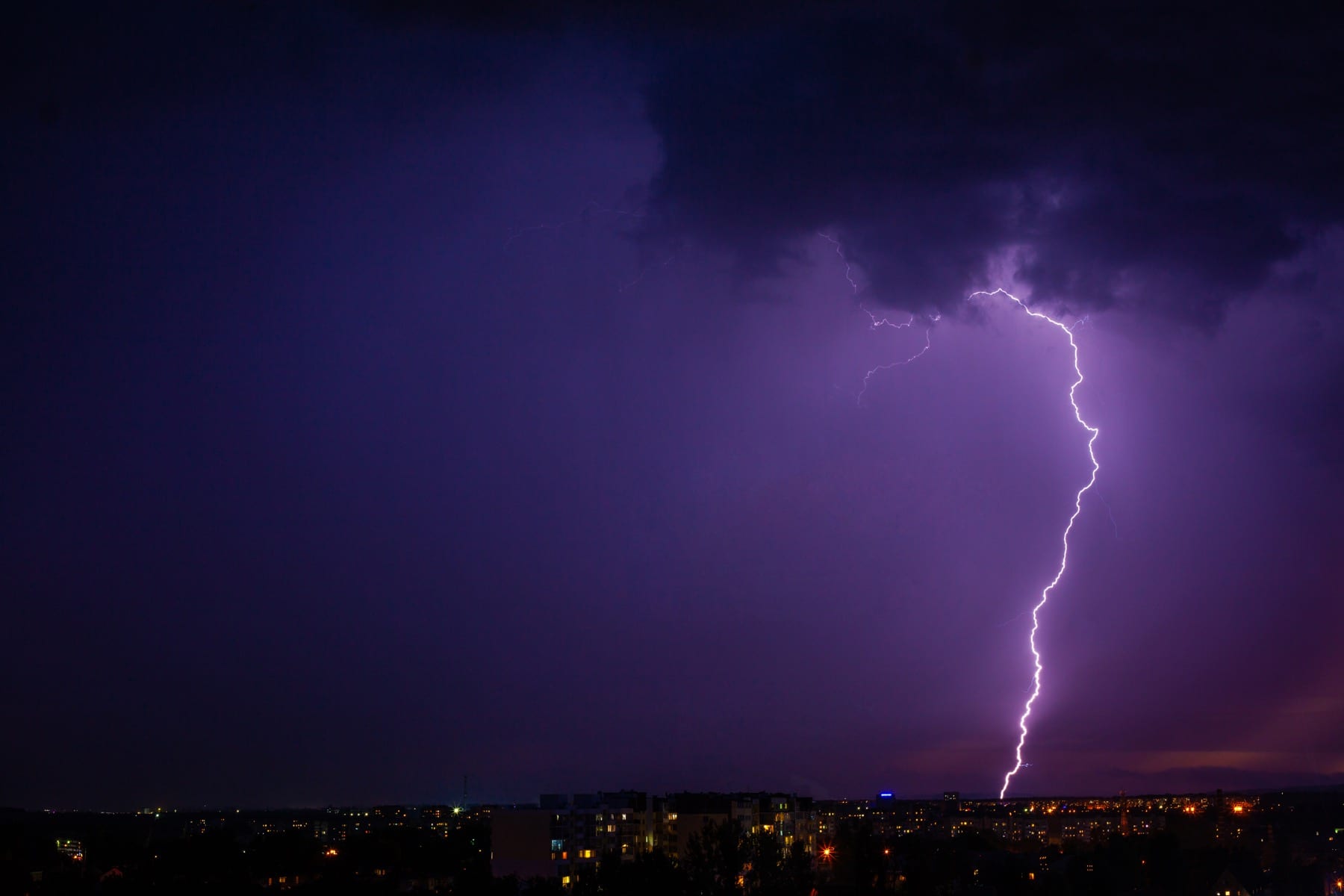
When the lights go out, you instantly know something has happened—and you start to wonder why and how long it will be until they come back on. But there’s a lot you can do when it happens, or that you can do now to prepare.
The “power grid”—the complex network of electrical generation and distribution systems is largely invisible. We see power lines and substations, but how it really works is a mystery to most people. While we won’t try to get into the details, it’s important to know that
What You’ll Miss
Why is power important? With the power out for an extended period, you’ll miss:
- Indoor lighting. Hard to do anything after dark!
- Refrigeration. The contents of your refrigerator and freezer will start to get warm or thaw out. CDC guidelinessay that foods in the fridge are safe for ~4 hours without power, while a full freezer may remain safe for up to 48 hours.
- Heating. Unless you use a traditional wood stove, your heating system won’t work without electricity. Electric heat will be completely non-functional, and even a gas furnace or pellet stove won’t work, because the blower requires electricity.
- Air conditioning. AC won’t work without power!
- Electronics. Your mobile devices won’t be able to charge, and your modem will be dead.
- Communication. In the short term, landlines and cell phones will keep working (as long as their batteries last). But due to the congested network, or if the backup batteries or generator at the cell tower run out, even communication may be challenging.
- Cooking. If you rely on an electric range, oven, or microwave, preparing food may be challenging.
Quick Tips
- If the power is expected to be out overnight, get yourself ready for bed before the sun goes down! Lay out your clothes for the next day so you won’t be stumbling around trying to do it in the dark.
- If you can, get ice to help keep the items in your refrigerator cold. Keep the doors closed unless absolutely necesary.
- In winter, bundle up and layer up the blankets, because it’s going to get cold!
- In hot weather, keep the windows open at night, and close up as soon as it starts to warm up.
- If you need to charge a cell phone, your car charger is a great option.
Getting Prepared
But instead of trying to improvise at the last minute, it’s better to plan ahead.
Ideally, you could be totally off-grid, and have your own power system. That’s great for some folks, but does require a high level of investment and comitment. But the benefits are incomparable—you won’t even know or care whether the power is on!
The next best option is to have a full backup generator, which can automatically turn on if the power goes out. This is also a relatively expensive option, but provides great peace of mind. Your main concern will be adequate fuel storage and regular maintenance.
A small backup generator offers great flexibility, but won’t have enough output to power your whole house. Instead, you’ll want to pull it out, and start it up as needed. Run extension cords to your critical appliances—perhaps your furnance, refirgerator, lamps, or computer and modem.
It’s also important to have non-electric alternatives for also your critical needs, such as lighting, heat, cooking, and communication.
Start with battery-powered lanterns and flashlights, and tuck away a bulk pack of spare batteries. There’s nothing more reassuring than being able to switch on a flashlight and make sense of the situation when you find yourself plunged into darkness! Long burning candles and kerosense lanterns are also good sources of light, but take appropriate precautions for fire and carbon monoxide safety. Don’t sleep with a candle burning, or place a flame on or near flammable objects.
Supplemental heating can be provided with an indoor-safe propane space heater, such as the Mr. Heater Buddy heater. An indoor-safe heater includes a built-in oxygen detector, which will turn the heater off if oxygen levels become too low.
If you will be using any flame-based heat or light sources, it is especially critical that you have working fire and CO alarms with good batteries. Don’t risk it!
If you have a gas or charcoal grill, you already have one non-electric cooking appliance. Another useful option is a portable gas-burning cook stove, such as you might use on a camping trip. Being able to warm up a can of soup, make hot cocoa, or cook a pot of rice or veggies can make live much more bearable.
As well as stocking up on candles and batteries, buy extra fuel. Whether an extra full tank for your grill, or a case of 1-lb propane cylinders for your propane heater or stove, stored fuel provides peace of mind.
Once you have your family’s immediate needs addressed, check up on friends, family, and neighbors. Make sure they’re safe and have their basic needs met. This is another great reason to have extra supplies on hand!
Next Steps
Most of these steps can be accomplish whether you live in an apartment, the suburbs, or in a rural area. Whatever your current situation, there are steps ou can take now to have your family better prepared and more resilient.
If you’d like to learn more about establishing a self-sufficient and resilient home, check out our new book, Survival Retreats & Relocation. Whether you are planning to relocate to a remote retreat, or want to be better prepared in your current location, you can find the insights you need to prepare.
SurvivalRealty.com is a participant in the Amazon Services LLC Associates Program, an affiliate advertising program designed to provide a means for sites to earn advertising fees by advertising and linking to Amazon.com.