Alabama Survival Retreat Prospects
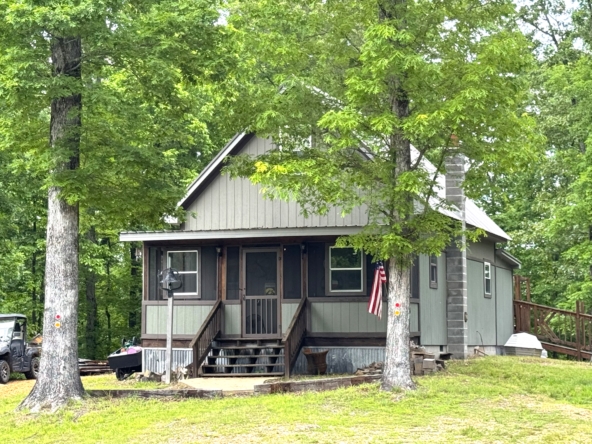
Alabama, with its diverse landscapes and rich natural resources, presents a compelling destination for those seeking a survival retreat. The state’s blend of rural charm, abundant water sources, and fertile land make it an attractive option for buyers prioritizing self-sufficiency and off-grid living. Alabama’s relatively mild climate allows for year-round gardening and farming, while its extensive forests and wildlife offer ample opportunities for hunting and foraging. The ideal buyer for an Alabama survival property values privacy, sustainability, and a connection to nature. These individuals are often looking to escape urban environments, seeking a quieter, more autonomous lifestyle where they can rely on their own resources and skills. Whether it’s establishing a family homestead, a secluded retreat, or a resilient community, Alabama provides the essential elements for a sustainable and secure living environment.
Topography and Climate
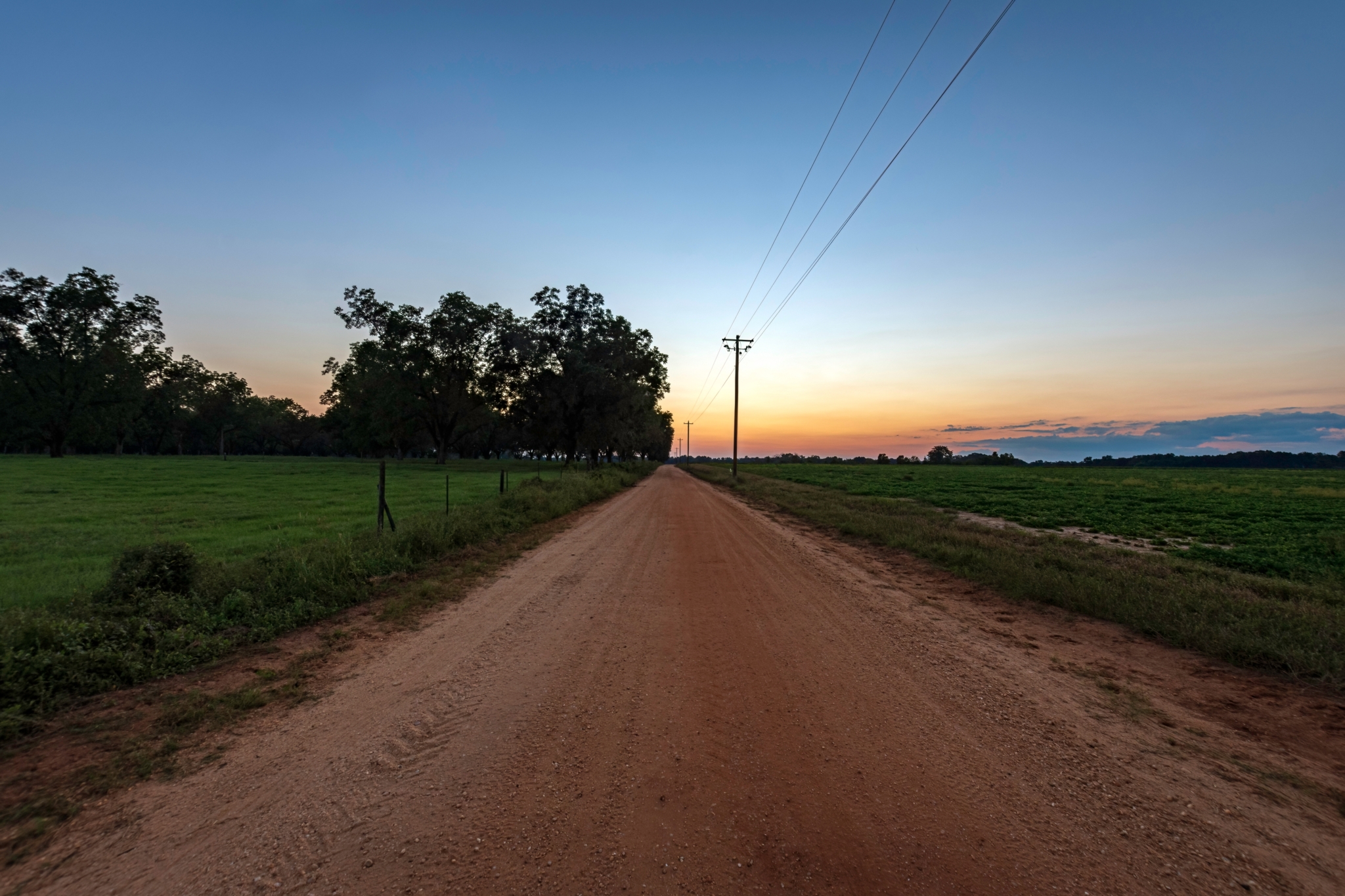
Alabama’s topography is characterized by a mix of rolling hills, dense forests, fertile plains, and extensive waterways, all of which are conducive to rural living and self-sufficiency. The northern part of the state features the Appalachian foothills, providing elevated terrain and wooded areas that are excellent for hunting and timber resources. The central and southern regions, known for their flatlands and fertile soil, are ideal for farming and ranching, supporting a variety of crops and livestock. Alabama’s climate is generally mild, with hot summers and mild winters, allowing for a long growing season and the potential for year-round agricultural activities. The state receives ample rainfall, averaging about 56 inches annually, which ensures a consistent water supply for both crops and livestock. Alabama is also rich in natural water sources, including numerous rivers, lakes, and aquifers, making it easier for residents to secure water for household use, irrigation, and livestock. These natural attributes make Alabama a promising location for those seeking to establish a self-sufficient lifestyle, with the ability to produce food, manage livestock, and maintain a steady water supply.
Population and Economy
Alabama’s population centers, such as Birmingham, Montgomery, and Mobile, serve as the state’s economic and cultural hubs, but much of the political influence remains rooted in its rural areas. The political environment in Alabama is predominantly conservative, with strong support for traditional values and a focus on limited government, making it an appealing location for those who prioritize personal freedoms and self-reliance. The primary economic drivers in Alabama include manufacturing, agriculture, and services, with significant contributions from the automotive and aerospace industries. Rural areas, in particular, benefit from agriculture and forestry, providing ample opportunities for those interested in farming and land management. While the major cities hold considerable sway, rural voices are still influential in the state’s political landscape, ensuring that the needs and interests of rural communities are addressed. Career options in Alabama vary, ranging from industrial and manufacturing jobs in urban centers to agricultural and forestry positions in rural areas. This diversity in employment opportunities, combined with a favorable political climate, makes Alabama a viable option for individuals seeking a balance between career prospects and a lifestyle focused on self-sufficiency and independence.
Challenges
Despite its many advantages, Alabama has certain drawbacks that prospective survival property buyers should consider. The state is prone to natural disasters, particularly tornadoes and hurricanes, which can pose significant risks to property and personal safety. Additionally, the hot and humid climate, especially in the southern regions, can be challenging for those unaccustomed to such conditions, potentially complicating farming and outdoor activities. While Alabama’s rural areas offer privacy and seclusion, they may also lack access to advanced medical facilities, high-quality schools, and other essential services, which could be a concern for families or those with specific health needs. Furthermore, some regions suffer from economic disadvantages, including lower income levels and limited job opportunities, which might require creative solutions for generating income. The state’s infrastructure, particularly in rural areas, can be underdeveloped, leading to challenges in transportation and access to utilities. These factors, while manageable, require careful planning and preparation to ensure a successful transition to rural living in Alabama. Prospective buyers should weigh these considerations against the benefits to make an informed decision about relocating to the state.
Advantages of Alabama Survival Retreats
Alabama offers several distinct advantages for those considering it as a survival relocation destination. One of the most significant benefits is the state’s abundance of natural resources, including fertile soil, plentiful water sources, and diverse wildlife, all of which support a self-sufficient lifestyle. The mild climate allows for extended growing seasons, making it possible to produce a wide variety of crops and maintain livestock year-round. Land in Alabama is relatively affordable compared to many other states, providing opportunities to acquire larger parcels for farming, homesteading, or simply ensuring greater privacy. The state’s conservative political climate and strong emphasis on individual rights and limited government appeal to those who prioritize personal freedom and self-reliance. Additionally, Alabama’s rural areas are known for their tight-knit communities, where neighbors often support each other, enhancing the sense of security and cooperation crucial in challenging times. The presence of robust agricultural and manufacturing sectors also offers economic stability and employment opportunities, making it easier to sustain a livelihood. These factors collectively make Alabama an attractive option for individuals and families seeking a resilient and sustainable retreat.
The Long-Term Outlook for Raising a Family in Alabama
When considering Alabama as a long-term home for raising a family, it is crucial to evaluate various factors, including crime rates, economic opportunities, and community strength. Alabama’s rural areas tend to have lower crime rates compared to urban centers, creating a safer environment for families. However, some regions do face challenges related to drug use and economic disparities, which can impact local communities. It’s essential for prospective residents to research specific areas to find those with strong, supportive communities and low crime rates.
The job market in Alabama is diverse, with opportunities in manufacturing, agriculture, and the service sector. While rural areas might have fewer job options, the cost of living is generally lower, which can balance out the economic equation. Additionally, remote work opportunities have expanded, allowing families to live in more secluded areas without sacrificing income. Real estate in Alabama remains affordable, making it possible for families to purchase larger properties that can support self-sufficient living.
Culturally, Alabama offers a rich heritage with strong community values. Many towns have vibrant local traditions and active community organizations that contribute to a tight-knit social fabric. Schools in rural areas may vary in quality, so it is advisable to investigate local education options. Some families may choose to homeschool or utilize private schooling options to ensure a high-quality education for their children.
Overall, Alabama provides a viable environment for raising a family, with the right balance of economic opportunities, community support, and a safe living environment. Families seeking a sustainable, self-sufficient lifestyle will find Alabama’s natural resources, affordable land, and strong local cultures to be significant advantages.
Conclusion
In conclusion, Alabama stands out as a promising destination for buyers seeking survival property. The state’s combination of affordable land, rich natural resources, and a favorable climate for agriculture makes it an excellent choice for those prioritizing self-sufficiency. The conservative political environment and strong sense of community support further enhance its appeal to individuals who value personal freedom and community cohesion. However, potential buyers must carefully consider the challenges, such as natural disaster risks and varying levels of access to essential services, to ensure a smooth transition to rural living. Alabama is best suited for individuals and families who are prepared to embrace a rural lifestyle, invest in disaster preparedness, and actively participate in community life. For those ready to take on these challenges, Alabama offers a unique opportunity to establish a resilient and sustainable retreat in a state that values independence and self-reliance.