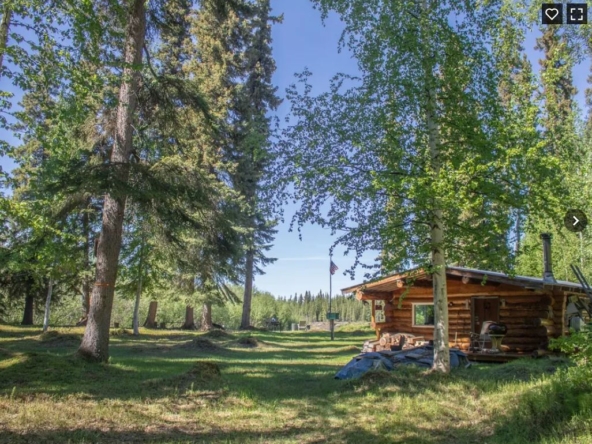
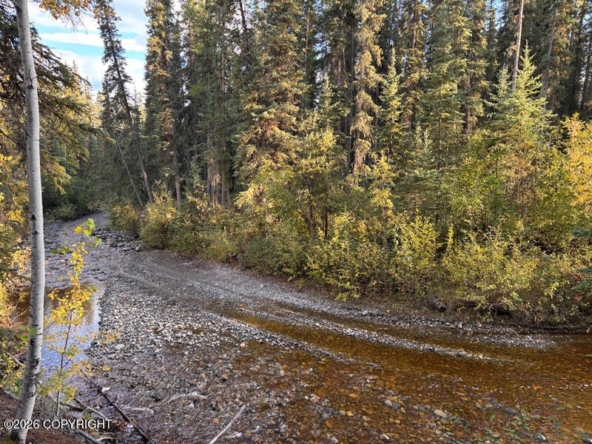
Alaska Survival Retreat Prospects
Why Consider Alaska for Your Survival Retreat?
Alaska, known as the Last Frontier, offers a unique combination of rugged beauty, abundant natural resources, and a sparsely populated landscape, making it an appealing destination for those seeking a survival retreat. The state’s vast wilderness areas provide ample opportunities for self-sufficiency, from hunting and fishing to homesteading and off-grid living. Alaska’s isolation from the lower 48 states adds a layer of security, distancing residents from potential societal disruptions and providing a refuge from the densely populated urban centers prone to instability.
Ideal buyers for survival retreats in Alaska are those who value independence, resilience, and a strong connection to nature. Individuals or families with a background in outdoor skills, or a willingness to learn, will find Alaska’s environment conducive to self-reliant living. The state’s extreme weather conditions and remote locations require a high level of preparedness and adaptability. Therefore, those who are resourceful, self-sufficient, and prepared for the challenges of living in a harsh climate will be well-suited to thrive in Alaska. Additionally, those with a desire to disconnect from the fast-paced, technology-driven lifestyle of modern society will appreciate the tranquility and solitude that Alaska offers.
Topography, Climate, Soils, and Hydrology of Alaska: Key Considerations for Survival Retreats
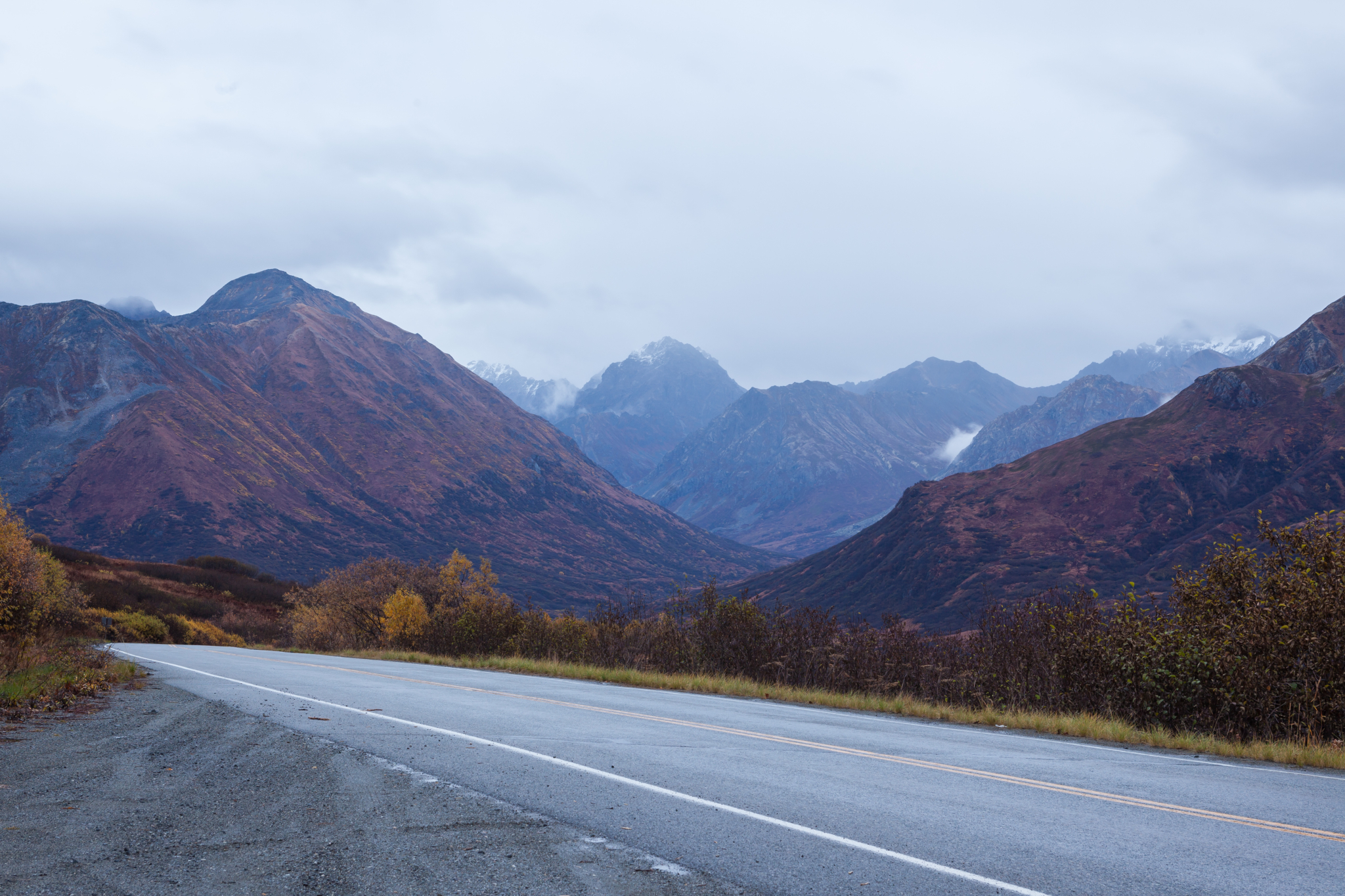
Alaska’s topography is incredibly diverse, ranging from coastal lowlands and river valleys to expansive tundra and towering mountain ranges. This varied landscape offers numerous opportunities for establishing a survival retreat, each with its unique advantages. Coastal regions provide access to rich marine resources and relatively milder winters, while interior areas, though colder, offer vast tracts of forested land suitable for hunting, trapping, and timber harvesting. The mountainous regions, including the Alaska Range and Brooks Range, not only provide natural fortifications but also abundant wildlife and pristine watersheds.
The climate in Alaska is characterized by long, harsh winters and short, cool summers. Coastal areas experience milder temperatures and higher precipitation, whereas the interior regions endure more extreme temperature fluctuations, with winter temperatures plummeting well below freezing and summer temperatures occasionally reaching the 70s or 80s (°F). Understanding the specific climate of your chosen area is crucial for planning agricultural activities, building structures, and preparing for seasonal challenges. For instance, the short growing season in interior and northern areas necessitates greenhouses or other methods to extend the cultivation period for food crops.
Alaska’s soils vary significantly, with coastal areas generally having more fertile, well-drained soils suitable for agriculture. However, much of the state, particularly in the interior and northern regions, has permafrost—permanently frozen ground that presents unique challenges for construction and agriculture. Raised beds, greenhouses, and careful site selection can mitigate some of these issues, allowing for successful cultivation of hardy crops. Understanding soil composition and drainage properties is essential for establishing a productive homestead.
Hydrology in Alaska is dominated by an abundance of freshwater resources, including numerous rivers, lakes, and streams fed by glaciers and snowmelt. These water sources are vital for drinking, irrigation, and energy production. The availability of clean, reliable water is a critical factor in choosing a survival retreat location. However, prospective buyers should also be aware of potential flooding risks in low-lying areas and the need for effective water management systems, particularly in regions with heavy precipitation or significant snowmelt in the spring.
In summary, Alaska’s diverse topography, challenging climate, variable soils, and abundant hydrology offer both opportunities and challenges for those seeking a self-sufficient lifestyle. Thorough research and careful planning are essential to make the most of Alaska’s natural resources while mitigating the inherent challenges of its environment.
Population Centers, Political Environment, and Economic Drivers in Alaska: What You Need to Know
Alaska’s population is concentrated in a few key areas, with Anchorage being the largest city, home to around 40% of the state’s residents. Fairbanks and Juneau, the state capital, are other significant population centers. Despite these urban hubs, much of Alaska remains sparsely populated, with vast wilderness areas offering ample space for those seeking solitude and self-sufficiency. This low population density can be advantageous for survivalists looking to establish retreats away from the hustle and bustle of city life.
Politically, Alaska leans conservative, with a strong tradition of valuing individual freedoms, limited government, and self-reliance. The state’s political environment is shaped by its unique geographic and cultural landscape, fostering a sense of independence among its residents. Rural areas, in particular, tend to have a strong voice in local and state politics, ensuring that the needs and preferences of those living outside the major cities are represented. This political climate is appealing to those who prioritize personal liberty and wish to live in a community that supports their values.
The primary economic drivers in Alaska include oil and gas, fishing, tourism, and mining. The oil and gas industry, centered around the North Slope and the Trans-Alaska Pipeline System, plays a crucial role in the state’s economy, providing jobs and funding public services through state revenues. Fishing, both commercial and recreational, is another significant industry, with Alaska’s waters renowned for their abundant and diverse marine life. Tourism, driven by the state’s stunning natural beauty and unique wildlife, also contributes to the economy, particularly in the summer months. Mining, especially for gold, zinc, and other minerals, remains a vital part of the economic landscape.
Career options in Alaska are varied, with opportunities in these key industries as well as in healthcare, education, and public administration. For those considering a move to Alaska, it’s important to evaluate job prospects in relation to their skills and experience. Additionally, remote work has become increasingly viable, allowing individuals to live in Alaska’s secluded areas while maintaining employment ties elsewhere.
In summary, Alaska offers a politically conservative environment with a strong emphasis on individual freedom, a diverse economy with robust job opportunities, and low population density. These factors make it an attractive destination for those seeking a survival retreat, provided they are prepared for the unique challenges of living in such a remote and rugged landscape.
Challenges of Choosing Alaska for Survival Relocation: What to Expect
Relocating to Alaska for a survival retreat comes with its share of challenges, which prospective buyers need to consider carefully. One of the most significant drawbacks is the extreme climate. Alaska’s long, harsh winters with temperatures often plunging well below zero, especially in the interior regions, require extensive preparation and resilience. Heating costs can be high, and maintaining a supply of fuel is essential. Additionally, the short growing season limits agricultural activities, making food production more challenging compared to more temperate regions.
Accessibility is another major challenge. Many areas of Alaska are remote and can be difficult to reach, particularly during winter months when snow and ice can make travel hazardous. Some locations are only accessible by plane or boat, which can complicate logistics for supplies, medical emergencies, and other essential services. This isolation can also lead to feelings of loneliness and can strain family dynamics if not prepared for the social and psychological impacts of remote living.
Economic challenges are also prevalent. While there are job opportunities in industries such as oil, gas, and fishing, these jobs can be seasonal or located in specific areas, limiting employment options. The cost of living in Alaska is generally higher than the national average due to the expense of importing goods and the need for specialized equipment and infrastructure to handle the harsh environment. This includes higher prices for groceries, building materials, and other necessities.
Furthermore, the state’s rugged terrain and permafrost can pose significant obstacles to construction and land development. Building on permafrost requires specialized techniques to prevent structural issues, which can add to construction costs. The remoteness of many areas also means that hiring skilled labor can be more expensive and difficult to arrange.
Finally, wildlife encounters can be a concern. While Alaska’s wildlife is one of its attractions, it also poses risks. Bears, moose, and other large animals can be dangerous, especially if they come into conflict with humans over food or territory. Proper precautions and knowledge of local wildlife behavior are necessary to ensure safety.
In summary, while Alaska offers unparalleled opportunities for a self-sufficient and isolated survival retreat, the challenges of extreme weather, isolation, higher living costs, construction difficulties, and wildlife risks must be carefully considered. Potential buyers need to be well-prepared and realistic about the demands of living in such a remote and rugged environment.
Top Advantages of Alaska for Survival Relocation: Unmatched Benefits
Alaska offers several compelling advantages for those seeking a survival retreat, making it a unique and attractive option compared to other states. One of the most significant benefits is the abundance of natural resources. Alaska’s vast wilderness areas provide ample opportunities for hunting, fishing, and foraging, allowing residents to maintain a high level of self-sufficiency. The state is home to diverse wildlife, including deer, moose, and fish species such as salmon and trout, which can be critical for food security in a survival situation.
The low population density in Alaska is another major advantage. With vast tracts of uninhabited land, individuals and families can find secluded locations far removed from the stresses and dangers associated with densely populated areas. This isolation enhances privacy and security, reducing the likelihood of encountering looters or other threats in a societal collapse scenario. The peace and solitude of Alaska’s remote areas also contribute to a higher quality of life for those who value tranquility and a close connection to nature.
Alaska’s strong culture of independence and self-reliance aligns well with the principles of survivalism. The state’s residents are accustomed to living in challenging conditions and are often skilled in outdoor survival techniques, making it easier to integrate into the community and learn from others. This culture is supported by Alaska’s permissive gun laws, which allow residents to protect themselves and their property effectively.
Another advantage is the state’s vast public lands, including national parks, forests, and wildlife refuges, which provide endless opportunities for outdoor activities and exploration. These public lands can serve as additional resources for hunting, fishing, and gathering, and they offer a buffer zone that enhances the security of private retreat locations. The natural beauty of Alaska’s landscapes, from its majestic mountains to its pristine rivers and lakes, also provides a stunning backdrop for a survival retreat.
Alaska’s renewable energy potential is another significant benefit. The state’s abundant natural resources include not only wildlife but also renewable energy sources such as wind, hydro, and solar power. Many remote properties can harness these resources to achieve energy independence, reducing reliance on external power grids and increasing self-sufficiency. The ability to generate your own power is a crucial aspect of preparing for potential disruptions to traditional energy supplies.
In summary, Alaska offers unmatched benefits for survival relocation, including abundant natural resources, low population density, a culture of independence, vast public lands, and significant renewable energy potential. These advantages make Alaska a prime destination for those seeking a secure and self-sufficient lifestyle in a remote and beautiful setting.
Long-Term Outlook for Raising a Family in Alaska: Pros and Cons
When considering Alaska for long-term family living, it is essential to weigh the potential benefits and drawbacks carefully. One of the primary advantages is the state’s strong sense of community and family-oriented culture. Alaskan communities, particularly in smaller towns and rural areas, tend to be tight-knit, with residents often helping one another in times of need. This sense of solidarity can be invaluable for raising a family, providing a supportive network and fostering a safe environment for children to grow up in.
Alaska’s education system, while varied, includes numerous high-quality public schools, especially in larger cities like Anchorage and Fairbanks. Additionally, the state offers unique educational opportunities that incorporate Alaska’s rich natural environment, such as outdoor education programs and cultural heritage projects that can provide children with a well-rounded and diverse learning experience. However, access to educational resources can be more limited in remote areas, necessitating careful consideration of location if schooling is a priority.
The state’s natural environment provides numerous recreational opportunities for families. Outdoor activities such as hiking, fishing, skiing, and wildlife watching are not only excellent for physical health but also offer unique bonding experiences for families. These activities can teach children valuable survival skills and an appreciation for nature, which are integral to the self-sufficient lifestyle many seek in Alaska.
However, Alaska also presents several challenges that could impact the long-term outlook for raising a family. The high cost of living is a significant factor, driven by the expense of importing goods and the need for specialized infrastructure to handle the state’s extreme climate. Families must be financially prepared to manage higher costs for necessities such as groceries, fuel, and heating.
Healthcare access is another critical consideration. While major cities have modern healthcare facilities, rural and remote areas may have limited medical services, which can be a concern for families with specific health needs. It is important to ensure that adequate healthcare provisions are available or that there are contingency plans for emergencies.
The state’s economy, heavily reliant on oil, gas, fishing, and tourism, can be susceptible to fluctuations. While these industries provide job opportunities, economic downturns in these sectors can affect overall stability. Diversifying income sources and having a robust financial plan can help mitigate these risks.
Social challenges, including issues related to substance abuse and crime, can also affect some communities. While Alaska’s overall crime rates are comparable to national averages, certain areas may experience higher rates of specific issues. Prospective residents should research local conditions and community initiatives addressing these problems.
In summary, Alaska offers a unique environment for raising a family, with strong community bonds, excellent outdoor recreational opportunities, and unique educational experiences. However, families must also be prepared for higher living costs, potential healthcare access issues, economic fluctuations, and social challenges. With careful planning and a realistic understanding of these factors, Alaska can provide a fulfilling and secure environment for long-term family life.
Conclusion: Is Alaska the Right Choice for Your Survival Retreat?
Alaska presents a compelling case for those seeking a survival retreat, thanks to its abundant natural resources, low population density, and strong culture of independence. For buyers who value self-sufficiency, privacy, and a deep connection to nature, Alaska’s rugged landscape and remote locations offer unparalleled opportunities. The state’s rich wildlife, vast public lands, and renewable energy potential create an ideal environment for establishing a sustainable, off-grid lifestyle.
However, Alaska is not without its challenges. Prospective buyers must be prepared for the state’s extreme climate, which includes long, harsh winters and short growing seasons. The high cost of living, limited access to healthcare in remote areas, and the potential for economic fluctuations in key industries such as oil and gas are critical factors to consider. Additionally, the state’s remoteness can pose logistical challenges, making it essential for residents to be resourceful and well-prepared.
For families, Alaska offers a strong sense of community, excellent outdoor recreational opportunities, and unique educational experiences that incorporate the state’s natural environment. Yet, families must also be ready to navigate higher living costs, potential healthcare access issues, and social challenges that may arise in certain areas. Thorough research and careful planning are essential to ensure that a move to Alaska aligns with both immediate and long-term goals.
In conclusion, Alaska is a prime destination for individuals and families seeking a survival retreat that emphasizes self-reliance, privacy, and a connection to nature. Those who are well-prepared for the state’s challenges and committed to adapting to its unique environment will find Alaska to be a rewarding and secure place to establish their survival retreat. With its combination of natural beauty, resource abundance, and cultural alignment with survivalist principles, Alaska stands out as an exceptional choice for those looking to invest in their future security and independence.