Arizona Survival Retreat Prospects
Arizona as a Survival Destination: An Overview
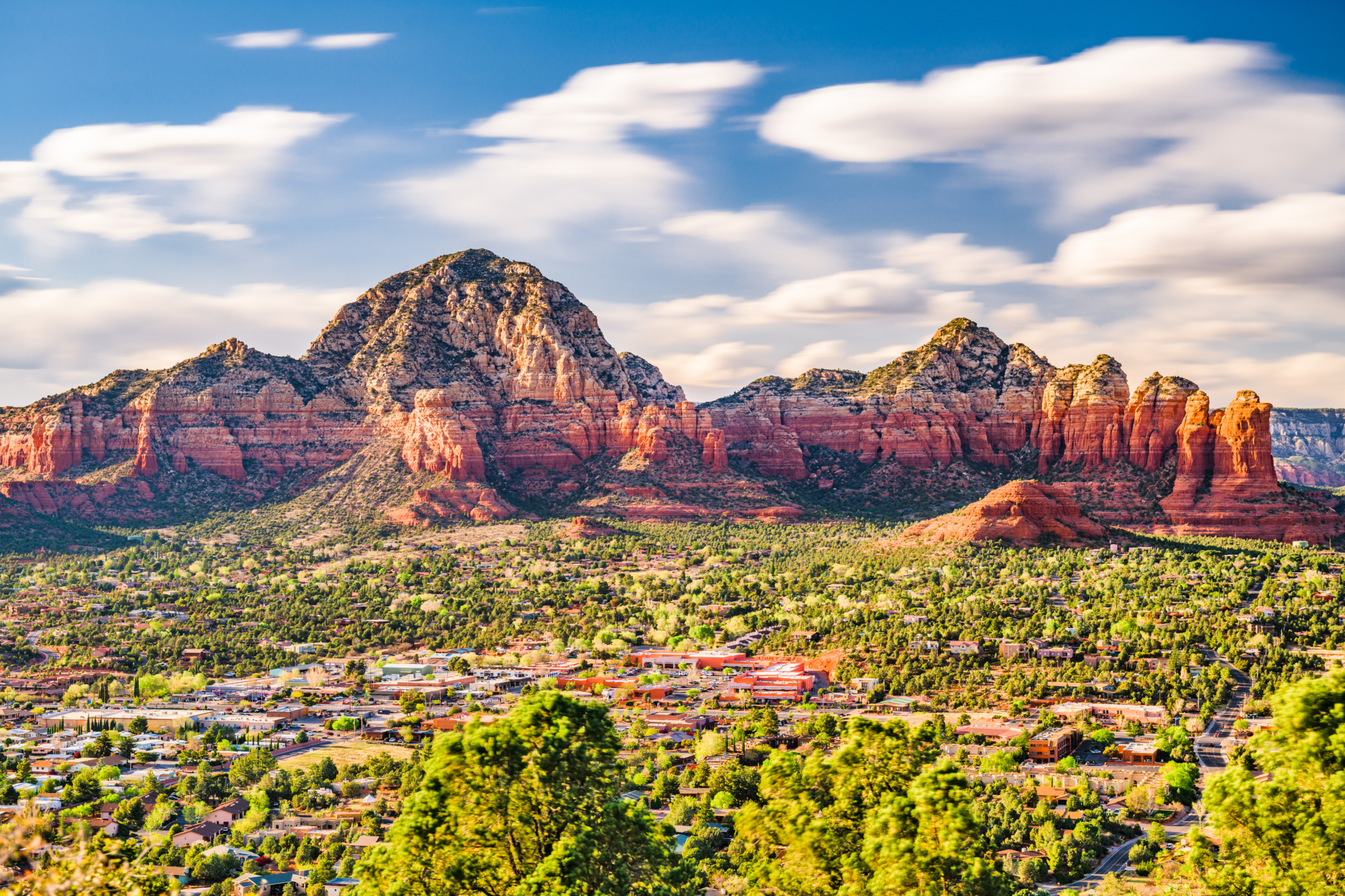
Arizona, known for its diverse landscapes and sunny climate, offers unique opportunities for those seeking a survival retreat. The state is characterized by vast deserts and rugged mountains, making it an ideal choice for individuals who value self-sufficiency and off-grid living. Buyers attracted to Arizona often seek properties that provide privacy, natural beauty, and the potential for sustainable living. Those who thrive in environments with ample sunshine and a warm climate will find Arizona particularly appealing. The state’s relatively low population density outside major cities also means fewer immediate threats during times of societal unrest or natural disasters, enhancing its attractiveness for survival-minded buyers.
Arizona’s suitability for a survival retreat is bolstered by its varied geography, which supports diverse agricultural practices and livestock management. Individuals interested in homesteading, farming, or ranching will find ample opportunities to develop self-sufficient lifestyles. Additionally, Arizona’s strong gun culture and favorable laws regarding self-defense and property rights align well with the values of many in the survival community. The state’s wide range of recreational opportunities, from hiking and hunting to off-road adventures, also appeals to those looking to integrate preparedness with an active, outdoor lifestyle. Overall, Arizona presents a compelling option for those seeking a balance of isolation, sustainability, and resilience in a survival retreat property.
Topography, Climate, Soils, and Hydrology of Arizona for Rural Living
Arizona’s topography is a mix of deserts, mountains, and plateaus, offering a variety of options for those interested in rural living. The state’s iconic deserts, such as the Sonoran and Mojave, feature wide-open spaces and unique vegetation, including saguaro cacti. In contrast, the northern part of Arizona includes areas like the Colorado Plateau and the Mogollon Rim, where higher elevations and forested regions provide a cooler climate and different agricultural opportunities. This diverse terrain allows for a range of self-sufficiency practices, from desert farming and livestock grazing to more traditional agriculture in higher elevations.
The climate in Arizona is generally arid to semi-arid, with hot summers and mild winters in the lower desert regions, while higher elevations experience cooler temperatures and occasional snowfall. This climate is ideal for solar power generation, which is a significant advantage for off-grid living. However, water scarcity is a critical consideration. The state receives limited rainfall, with most precipitation occurring during the summer monsoon season and winter months. As a result, securing a reliable water source is essential for any rural property. Wells, rainwater harvesting systems, and water rights to nearby rivers or streams are crucial for maintaining a self-sufficient lifestyle.
Arizona’s soils vary significantly across the state. In the desert regions, soils tend to be sandy and low in organic matter, which can pose challenges for traditional farming but are suitable for certain types of crops and desert-adapted livestock. In contrast, the soils in higher elevations and along river valleys are more fertile and conducive to a wider range of agricultural activities. Soil improvement techniques such as composting, mulching, and the use of cover crops can enhance soil fertility and productivity, making sustainable farming practices viable even in less fertile areas.
Hydrology is a critical factor for rural living in Arizona. Major rivers, such as the Colorado and Gila, provide essential water resources for irrigation and livestock. However, the allocation and management of water rights are complex and highly regulated. Prospective buyers should thoroughly research water availability and legal rights to ensure a sustainable water supply for their property. Additionally, building infrastructure for water storage, such as cisterns and ponds, can help mitigate the impact of droughts and ensure a consistent water supply.
Overall, understanding the topography, climate, soils, and hydrology of Arizona is essential for anyone considering rural living, farming, ranching, or developing a self-sufficient lifestyle in the state. Each of these factors plays a crucial role in determining the viability and sustainability of a survival retreat property.
Population Centers, Political Environment, and Economic Drivers in Arizona
Arizona’s population is concentrated in several major urban areas, with Phoenix being the largest, followed by Tucson. These cities, along with other significant areas like Mesa and Scottsdale, drive the state’s economy and political landscape. Despite the urban concentration, much of Arizona remains sparsely populated, with vast rural areas providing opportunities for those seeking isolation and self-sufficiency. Rural regions in Arizona maintain a significant voice due to the state’s large agricultural presence and land area.
The political environment in Arizona is a mix of conservative and progressive influences. Urban areas, particularly Phoenix and Tucson, lean progressive, while rural areas maintain a strong conservative presence. This balance can lead to tensions between urban and rural interests. However, Arizona’s political climate generally supports gun rights, property rights, and minimal government interference, aligning well with the values of many in the survival community.
Arizona’s economy is diverse, with major drivers including technology, manufacturing, agriculture, and tourism. The state has a robust aerospace and defense industry, along with a growing tech sector centered around Phoenix. Agriculture remains vital, with cattle ranching and crop production being significant contributors. Career options in Arizona are varied, with opportunities in both urban and rural settings. The state’s business-friendly environment encourages entrepreneurship and small business growth, making it attractive for those looking to establish self-sufficient lifestyles while maintaining economic viability.
In summary, Arizona’s population centers offer economic and political diversity, while its rural areas provide the isolation and freedom desired by those seeking survival retreats. Understanding the state’s political and economic landscape is crucial for anyone considering relocation to Arizona for a survival property.
Drawbacks of Arizona for Survival Relocation
While Arizona offers many advantages for those seeking a survival retreat, there are significant drawbacks to consider. Water scarcity is a major concern, as the state receives limited rainfall and relies heavily on the Colorado River and aquifers, which are under increasing pressure from urban and agricultural demands. Ensuring a reliable water source can be challenging and may require significant investment in wells, rainwater harvesting systems, and water storage solutions.
Extreme heat, especially in the lower desert regions, poses another challenge. Summer temperatures often exceed 100 degrees Fahrenheit, which can be hazardous and require substantial energy for cooling. This heat also limits the types of crops that can be grown without extensive irrigation and shade structures. Additionally, the arid climate means that wildfires are a persistent threat, particularly in forested and shrubland areas.
Access to resources and services can be limited in Arizona’s rural areas. While isolation is a benefit for some, it also means longer travel times to reach medical facilities, schools, and stores. The rugged terrain can make transportation difficult, especially during the monsoon season when flash flooding can render roads impassable. Furthermore, building in remote areas may involve higher costs for infrastructure such as roads, electricity, and internet access.
The state’s political climate, while generally supportive of individual rights, can also be a double-edged sword. The strong emphasis on property and gun rights may lead to conflicts with neighbors who have differing views. Additionally, the regulatory environment can be complex, particularly regarding water rights and land use, requiring careful navigation and potentially costly legal advice.
In summary, while Arizona offers numerous benefits for survival relocation, including low population density and a supportive political climate, the challenges of water scarcity, extreme heat, wildfire risk, and limited access to services must be carefully considered. Prospective buyers should thoroughly research these factors to ensure that their survival retreat is sustainable and viable in the long term.
Advantages of Arizona for Survival Relocation
Arizona offers several compelling advantages for those considering it as a destination for survival relocation. One primary benefit is the state’s abundant sunshine, ideal for solar power generation. With over 300 sunny days a year, Arizona provides an excellent environment for off-grid living, allowing residents to harness solar energy to meet their electricity needs and reduce dependence on external power sources.
Another significant advantage is Arizona’s low population density outside its major urban centers. Many rural areas offer ample privacy and space, crucial for those seeking a survival retreat. The vast open spaces allow for greater freedom in choosing a location that meets specific needs, whether it’s farming, ranching, or living in seclusion. Additionally, low population density reduces the risk of encountering large groups during times of social unrest or crisis, enhancing the safety and security of a survival retreat.
Arizona’s favorable gun laws and strong emphasis on individual property rights are also significant draws for the survival community. The state has a robust gun culture, with laws supporting the right to own and carry firearms. This aligns well with the priorities of many survivalists who value the ability to defend their property and ensure personal safety. Furthermore, Arizona’s legal environment generally favors minimal government interference, allowing property owners more freedom to use their land as they see fit.
The state’s diverse topography offers a range of climates and environments. While the lower desert regions are hot and arid, northern Arizona features higher elevations with cooler temperatures and forested areas. This variety allows prospective buyers to select the environment that best suits their lifestyle and survival needs. Whether one prefers the warmth and openness of the desert or the cooler, more sheltered conditions of the highlands, Arizona provides options.
Finally, Arizona’s economic environment is conducive to self-sufficient living. The state’s business-friendly policies encourage entrepreneurship and small business development, crucial for those looking to create sustainable, independent livelihoods. Additionally, the agricultural sector remains strong, providing opportunities for farming and livestock management. These economic conditions support the establishment of a resilient, self-sufficient lifestyle.
In summary, Arizona’s abundant sunshine, low population density, favorable gun laws, diverse topography, and supportive economic environment make it an attractive option for survival relocation. These factors collectively contribute to a conducive environment for establishing a sustainable and secure survival retreat.
Long-Term Outlook for Raising a Family in Arizona
When considering Arizona as a long-term home for raising a family, several factors need to be evaluated. One of the primary concerns is the state’s public education system. While there are some high-performing schools, Arizona’s overall education ranking is lower compared to other states. Families may need to consider alternative education options such as private schools, homeschooling, or charter schools to ensure a quality education for their children.
Crime rates in Arizona vary significantly between urban and rural areas. While cities like Phoenix and Tucson have higher crime rates, many rural areas are relatively safe, providing a secure environment for families. However, it’s crucial to research specific areas thoroughly before deciding on a location to ensure a safe living environment.
Drug use, particularly methamphetamine and opioid abuse, is a concern in some parts of Arizona. Families should be aware of this issue and consider communities with strong local initiatives to combat drug abuse. Engaging in community activities and fostering a close-knit neighborhood can also help mitigate these risks.
The job market in Arizona is diverse, with opportunities in technology, healthcare, education, and manufacturing. Major cities offer more job prospects, but remote work options and local businesses provide viable employment opportunities in rural areas. Additionally, Arizona’s business-friendly environment supports entrepreneurship, which can be an attractive option for self-reliant families.
Real estate affordability in Arizona varies widely. While urban areas and popular regions can be expensive, many rural areas offer more affordable housing options. The cost of living is generally lower in rural parts of the state, making it easier for families to maintain a comfortable lifestyle. It’s essential to balance affordability with access to necessary amenities and services.
Community and cultural issues also play a significant role in the long-term outlook for raising a family in Arizona. The state has a strong sense of community, particularly in smaller towns and rural areas. Many communities have local events, farmer’s markets, and other activities that foster social connections and support networks. Arizona’s rich cultural heritage, influenced by Native American, Hispanic, and Western traditions, provides a diverse and enriching environment for families.
In summary, Arizona presents a mixed but potentially favorable long-term outlook for raising a family. Factors such as the education system, crime rates, drug issues, job market, real estate affordability, and community support need careful consideration. Thorough research and thoughtful planning can help families find a location that offers a safe, supportive, and enriching environment for raising children.
Conclusion: Is Arizona Right for Your Survival Property?
Arizona offers a unique blend of benefits and challenges for those considering it as a destination for a survival retreat. Its abundant sunshine and low population density provide ideal conditions for off-grid living and self-sufficiency. The state’s favorable gun laws and strong emphasis on property rights align well with the values of many in the survival community, while the diverse topography offers a variety of climates and environments to suit different preferences and needs.
However, prospective buyers must weigh these advantages against significant drawbacks. Water scarcity is a critical issue, necessitating careful planning and investment in reliable water sources. The extreme heat, particularly in the lower desert regions, requires robust cooling solutions and limits some agricultural activities. Additionally, the risk of wildfires and the complexity of water rights and land use regulations pose further challenges.
For families considering a long-term move, factors such as the quality of education, crime rates, drug issues, job market, and real estate affordability must be thoroughly researched. Rural areas generally offer safer environments and lower living costs, but access to services and amenities can be limited. Engaging with local communities and fostering strong social connections can significantly enhance the quality of life in these areas.
In summary, Arizona is well-suited for individuals and families who prioritize self-sufficiency, privacy, and a supportive legal environment for property and gun rights. Its diverse landscapes and favorable economic conditions provide numerous opportunities for establishing a resilient and secure survival retreat. However, careful consideration of water resources, climate challenges, and community dynamics is essential. For those willing to invest the time and resources into thorough research and planning, Arizona can offer a sustainable and enriching environment for a survival property.