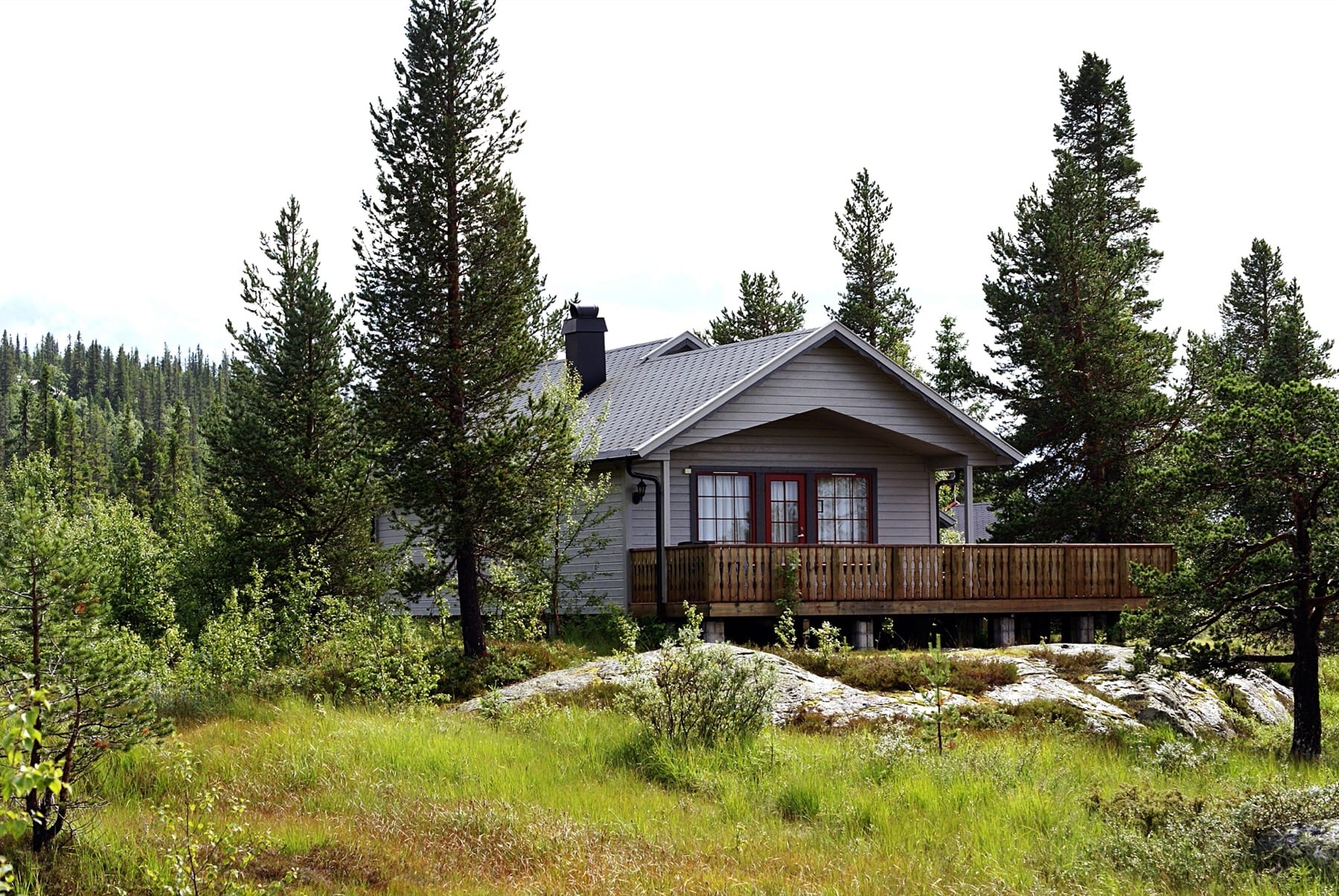
What makes the ideal survival location? There are countless factors to consider when trying to choose a location that will ensure your family’s long-term security and flourishing. Let’s unpack some of the essential factors in choosing a location.
The Big Three
Natural disasters are a risk anywhere, but certain areas are preticularly vulnerable to hurricanes, earthquakes, tornadoes, and floods. A good survival location avoids these critical risk zones. This may mean exchanging one risk factor for another, and planning to mitigate these risks as much as possible.
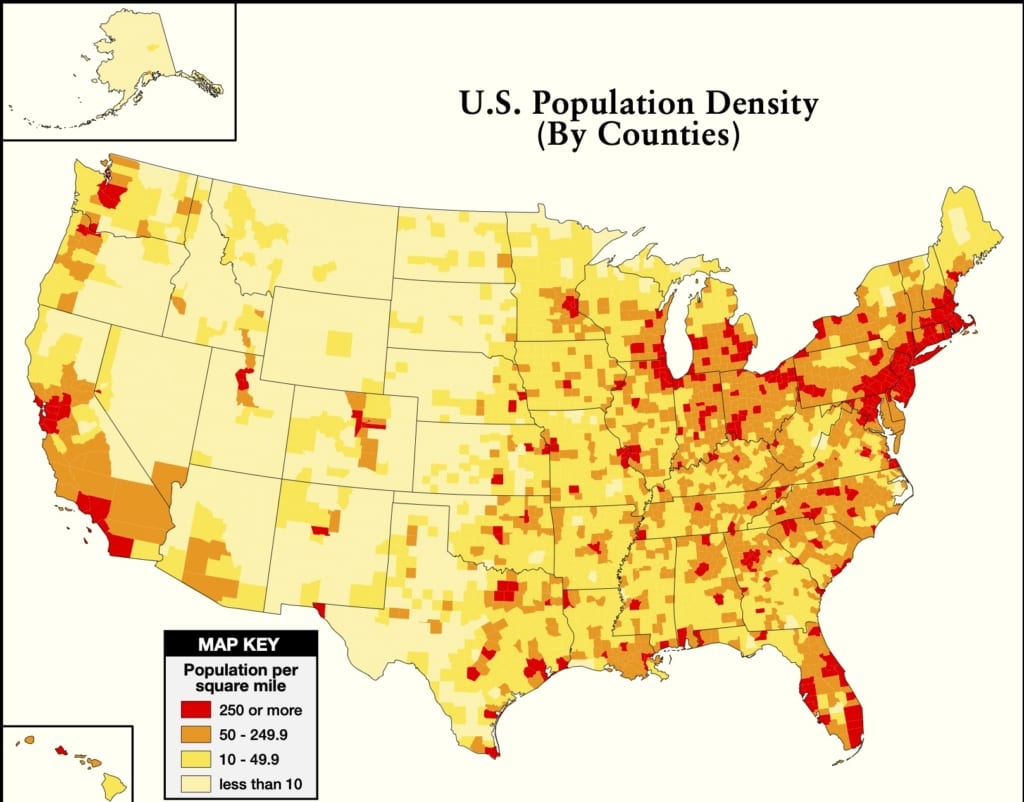
Population density plays a major role in the severity of second-level effects. A densely-packed population that is heavily dependent on all of life’s modern conveniences is very vulnerable to disruption, and beyond that to unrest and violence. A good retreat location is far removed from both major population centers and likely evacuation routes. Consider the following map showing population density across the United States:
Liberty is a key factor for many relocatees. After experiencing lockdowns and other restrictions from overreaching “nanny state” governments, they are now looking to move to states that implemented reasonable measures and reopened quickly.
Keep Sustainability in Mind
Major societal disruptions may mean disruption to supplies chains–meaning grocery stores will be rapidly depleted. In the absence of working distribution networks, local food production is invaluable. Accordingly look for a region that is able to provide a measure of food self-sufficiency.
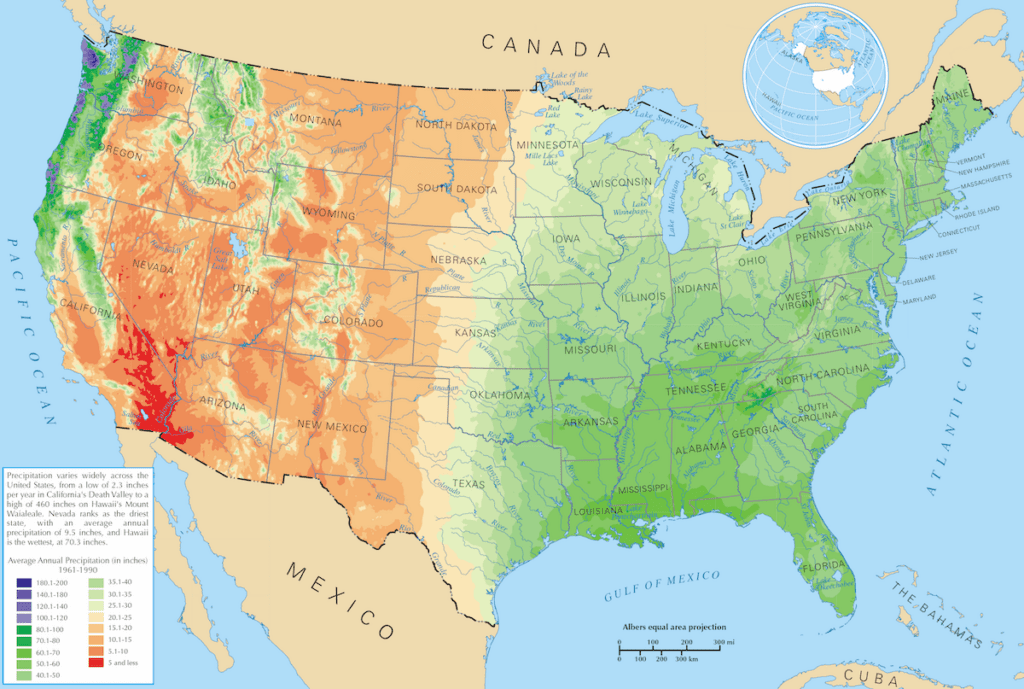
There’s no life without water. A survivable location has reliable rainfall and good aquifers. In drier climates, it is especially important to select a property with its own reliable water source. See the average precipitation map below:
A survival retreat should also be sustainable without grid power. This may mean both having a short-term backup generator, and the ability to go fully off-grid with solar, hydro, or wind power generation.
A good retreat location also contributes to all the human factors in long-term flourishing. Rather than simply serving as a escape from disaster, the chosen location should be in a position for long-term growth. Ideally, it is located in an area with a resilient community, opportunities for productive business or employment, and personal connections.
Final Word
There is no perfect retreat location, and every area has its tradeoffs. More than trying to identify the perfect location, evaluate your own situation, and your assessments of what the future will bring. You can’t plan for everything, so determine what is important to you and act accordingly.
Want to learn more? Get equipped to research, plan, and execute your move with Jonathan Rawles’ Survival Retreats & Relocation.