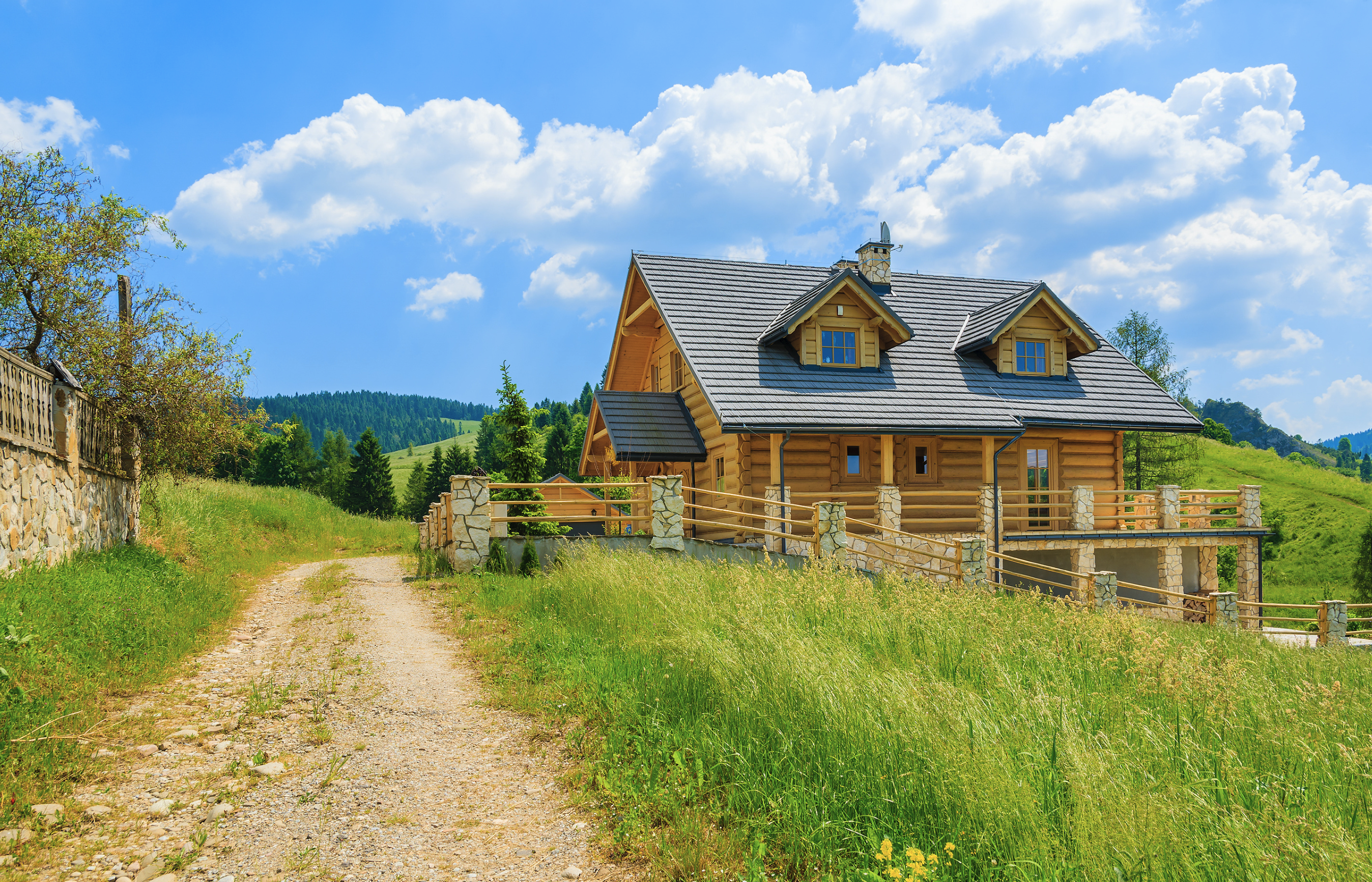
An effective property search depends on well-defined criteria that are realistic given your unique requirements, purchase budget, and the real estate market conditions. We’ve provided this “master list” as a starting point for thinking about the topic. The list you come up with will look different. Some of these factors may not matter much to you, while there will be other factors of personal value that you add.
Location and Land
Location
- Distance from highway or main road
- Not near large developments
- Not near industrial, agricultural, or other nuisances
- Outside city, tribal, and other jurisdictions
- Driving distance radius from town, church, etc.
- Appropriate zoning
- Like-minded neighbors
- Favorable microclimate (e.g., less snow, longer growing season, good rainfall).
Situation
- Southern facing and/or good solar exposure
- Not visible from main roads or highways
- Adjoining public lands
- Not frequently flooded area
Land
- X acres in pasture or hay ground
- X acres in tillable ground
- X acres in woods/brushy/rocky ground
- Good soil quality
- Minimal noxious weeds
- Defensible space for firefighting
- OK for septic system (passes perc test)
- OK for basement (good drainage at homesite)
Access
- Year-round road access
- Road suitable for access with semitrailer
- Limited number of access routes
- End of the road location
- Secondary exit route
- Connectivity
- Reliable high-speed internet access
- Phone or cell service
Water
- Year-round surface water (stream, river, pond)
- Year-round spring water or artesian well
- Well (preferably under forty-foot depth, 12+ GPM)
- Sufficient water for irrigation
- Good water quality
Power
- Grid power connection
- Suitable elevation for micro-hydro power
- Solar exposure or wind power potential
- Fuel storage tanks
- Timber for firewood
Security
- Fenced and gated
- Panoramic/commanding views
- Defensible home site or high ground
- Nearby neighbors for mutual support
Other Features
- Hunting or fishing access
- Established garden or orchard
- Suitable area for target shooting/firearms training
- Scenic beauty and views
- Recreational opportunities
- No intrusive CC&Rs or HOA
Home and Improvements
Homesite
- Commanding views of property from residence
- Above flood plain
- Defensible space for wildfire
- Good solar exposure
Heating and Cooling
- Suitable passive solar design for the climate
- Wood backup heat source
- Central heating and cooling as appropriate
- Good layout for ventilation
- Well insulated walls, floors, attic, and windows
Water and Septic
- Sufficient septic tank and drain field (inspect)
- Year-round water supply (test quality and GPM)
Power and Lighting
- Generator
- Wind, solar, or hydro generation
- Battery bank, change controller, inverter
- Transfer switch for on- or off-grid power
- Plumbed for gas appliances (range, oven, dryer, refrigerator, etc.)
House Construction and Exterior
- Quality, to-code construction (be aware that there are no building code inspections in some areas)
- Fire-resistant siding and roof materials
- Masonry or ballistic-resistant construction
- Suitable roof for climate
- Good condition (e.g., no water damage, pests, etc)
- Radon mitigation if required
House Interior
- Sufficient bedrooms, bathrooms, and total area
- Single- or multi-level layout as needed
- Guest bedroom or in-law apartment
- Basement or additional storage areas
- Oversize utility room or mudroom
- Space for home office or home-based business
Outbuildings
- Attached garage
- Firewood storage
- Barn space for livestock and hay
- Shop or garage space
Making Judgements
It’s easy to come up with a long list of criteria for the ideal retreat. It’s a great exercise, and fun to dream–but unless you are blessed with near-infinite wealth, it’s not all that helpful. But since we all have limited means, we’re going to have to compromise on the ideal retreat property, for a multitude of reasons. So why and where would you settle for less?
Your choices are mostly set when you choose your region. The geography, climate, and economy are fixed parameters you have to work within. There’s not a lot of riverfront to be found in the SW, or mild winters in the NW. Prices are equally non-negotiable on the market scale.
Your own purchase budget it the other major condition that scales all the rest. Your available cash, plus what you can finance (as modified by income and current interest rates) put a hard cap on what’s attainable, unless you luck into an off-market deal. Buying what you can afford is not necessarily the best choice. A key component of establishing a secure future for your family is financial. A large mortgage means “golden handcuffs” in the best case, and foreclosure in the worst case. Buy below your means, and thank yourself later.
A few more points for consideration:
- A strong community can provide more resilience than the best retreat. I’d gladly sacrifice a good deal of acreage or other ideal property attributes in order to be in close proximity to close family and friends.
- Your specific goals for the property may vary. If you are a beekeeper and greenhouse gardener, 20 acres may be excessive. But if you’re wanting to keep livestock, you may have to pick a manufactured home or shop house to afford the extra land for pasture.
- Plan ahead for long-term family needs, including both ordinary life changes such as adult children or aging parents, or being able to temporarily shelter friends or family in an emergency. Extra space can be a worthwhile investment.
- Unless you’re truly financially independent, you will also be moderating your purchase goals based on your career needs. As purchasing land is not a short term choice, you should ensure that there’s sufficient market for your skills within manageable commute distance.
For more on making these critical choices in relocation and your property search, sign up for our newsletter and get our free mini-ebook “5 Keys to Successful Relocation.”